


Views: 0 Author: Site Editor Publish Time: 2026-10-14 Origin: Site


Organic peroxides act as the hidden powerhouses behind modern plastic manufacturing. Harnessing this intense chemical energy presents significant operational challenges. The Tert-Butyl Peroxybenzoate TBPB Initiator delivers exceptional efficiency for polymer synthesis. Its highly reactive nature, however, carries severe thermal risks. A minor oversight on the production floor can rapidly escalate into an uncontrollable industrial fire. Operational efficiency must never compromise workplace safety.
Plant managers, safety officers, and chemical engineers face immense pressure to maintain hazard-free environments. This technical guide breaks down the strict handling, storage, and emergency protocols required for Expandable Polystyrene production facilities. We will explore practical engineering solutions to keep your plant safe and productive.
Rigorous Temperature Control: You must store the compound strictly within its designated temperature range. Failing to do so risks reaching the critical Self-Accelerating Decomposition Temperature.
Absolute Contaminant Isolation: Never expose organic peroxides to strong acids, reducing agents, or heavy metals. Microscopic cross-contamination often triggers violent exothermic reactions.
Uncompromising Protective Gear: Floor operators require chemical-resistant nitrile gloves, specialized face shields, and anti-static clothing to prevent severe physical exposure.
Targeted Emergency Readiness: Facilities need dedicated water deluge systems. Standard fire extinguishers fail against peroxide fires.
Verified Supply Chains: Sourcing high-purity chemicals from certified suppliers minimizes baseline instability. Proper vented packaging is a non-negotiable requirement.
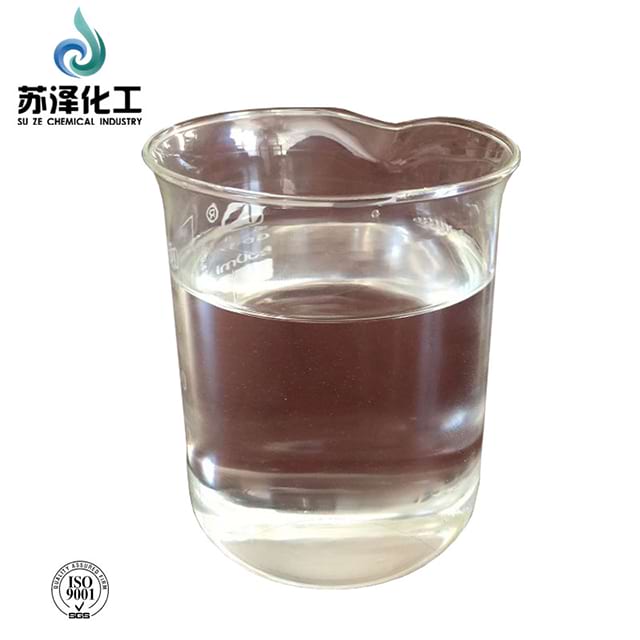
In the specialized field of industrial polymers, this substance operates as a highly reactive organic peroxide. Through a reactor sight glass, operators observe a clear, light-yellow liquid emitting a faint chemical odor. Engineers utilize it primarily as a robust polymerization initiator and cross-linking agent. Organic peroxides feature an inherently weak oxygen-oxygen bond. This specific structure allows them to break down under precise thermal conditions. Once broken, they release highly active free radicals. These radicals serve as the primary engine for polymerization, aggressively linking monomer molecules to form durable plastic chains.
Expandable Polystyrene manufacturing relies on the intricate suspension polymerization of styrene monomers. Precise temperature shifts throughout this multi-phase process dictate the density and structural integrity of the final polymer beads. Industry professionals highly value this specific initiator for its unique thermal activation profile.
Specifically, it functions as a high-temperature finishing agent. Other chemical catalysts kickstart the initial reaction at lower temperatures. In contrast, this peroxide activates efficiently during the final curing stages, typically between 90 degrees and 115 degrees Celsius. Its primary engineering objective is to drive the chemical reaction to absolute completion. This action drastically reduces the volume of unreacted styrene monomers trapped inside the foam beads. Lower residual monomer levels directly yield a structurally superior and consumer-safe final product.
Recent years have seen a massive shift in global polymer manufacturing toward predictive safety analytics. Relying on manual temperature logs leaves too much room for human error. Modern facilities increasingly integrate automated thermal sensors to monitor storage environments in real time. This proactive engineering approach aligns perfectly with tighter safety regulations. Furthermore, it protects commercial throughput. Preventing a catastrophic thermal runaway event saves millions in potential facility damage and prevents catastrophic production downtime.
Understanding the Self-Accelerating Decomposition Temperature remains the foundation of chemical plant safety. We define this metric as the lowest ambient temperature at which an organic peroxide begins to undergo self-accelerating breakdown within its commercial packaging.
For a standard industrial package of high-grade Tert-Butyl Peroxybenzoate TBPB Initiator, this critical threshold sits near 60 degrees Celsius. This metric fluctuates slightly based on chemical concentration and packaging volume. When warehouse temperatures approach this limit, the chemical breaks down internally. It generates exothermic heat much faster than the surrounding air can dissipate it.
Thermal instability triggers swift and devastating operational consequences. As the chemical decomposes, it rapidly off-gasses highly flammable vapors. This off-gassing pairs with a massive release of thermal energy. The reaction generates its own heat, causing it to accelerate exponentially. Engineers refer to this terrifying phenomenon as thermal runaway.
If automated cooling systems fail to check this runaway, auto-ignition inevitably follows. Rapid gas buildup violently ruptures storage drums, creating intense fires. Standard combustible materials require external oxygen to burn. Organic peroxides supply their own oxygen during decomposition. Consequently, conventional smothering techniques prove completely useless on the production floor.
Preventing insidious thermal degradation requires housing the compound in strictly climate-regulated environments. The optimal storage window stays reliably between 10 degrees and 30 degrees Celsius. Plant managers avoid dropping below 10 degrees to prevent localized freezing or phase separation. Conversely, allowing temperatures to creep above 30 degrees accelerates the loss of active oxygen. This degrades the chemical shelf life and exponentially elevates the hazard profile.
Industrial warehouses demand redundant refrigeration units. Automated backup power generators serve as a mandatory infrastructural requirement. Continuous temperature control must never falter during a municipal power grid failure.
The architectural layout of a storage facility acts as the primary defense against hazard escalation. Zones dedicated to organic peroxides require aggressive, continuous ventilation. This prevents heavy, flammable vapors from pooling near the floor. Facilities must utilize entirely non-combustible construction materials. Structural designs must completely shield chemical drums from direct sunlight. Solar heat and ultraviolet radiation notoriously initiate premature decomposition.
In addition, all electrical fittings, overhead lighting, and climate control systems operating within the perimeter must feature strict explosion-proof ratings. Compliance with international industrial safety standards is absolute.
Cross-contamination causes a significant percentage of catastrophic peroxide accidents. Trace amounts of incompatible materials left inside a transfer pipe act as aggressive catalysts. They can trigger a violent exothermic reaction well below the established temperature threshold.
Incompatible Material Category | Common Industrial Examples | Engineering Risk and Consequence |
|---|---|---|
Strong Acids and Alkalis | Sulfuric acid, Sodium hydroxide | Induces rapid, uncontrollable exothermic decomposition within the vessel. |
Heavy Transition Metals | Cobalt, Copper, Manganese | Acts as an aggressive catalyst, drastically lowering the safe temperature limit. |
Rust and Iron Oxides | Rusted transfer pipes, oxidized tools | Triggers immediate thermal runaway and massive hazardous gas generation. |
Reducing Agents | Amines, Sulfides | Causes violent chemical reactions that frequently lead to spontaneous auto-ignition. |
Floor operators physically handle the TBPB Initiator during active production cycles. Uncompromising adherence to protective gear protocols prevents severe chemical burns and systemic toxicity. Standard latex gloves offer zero protection against these aggressive agents.
Mandatory gear includes chemical splash goggles paired with heavy-duty full-face shields. This combination prevents irreversible ocular damage. Hand protection requires chemically compatible gloves fabricated from thick nitrile or neoprene. Personnel must also wear anti-static, flame-retardant coveralls to eliminate any risk of skin absorption.
Organic peroxide vapors remain notoriously sensitive to microscopic static discharges. Plant managers must aggressively manage static electricity accumulation. The familiar clack of grounding clamps should echo constantly across the floor. Technicians must thoroughly ground and bond all storage containers, transfer pumps, and reactor vessels.
Operators must wear designated anti-static footwear. The production floor itself requires conductive surfacing materials. Furthermore, engineers must heavily mitigate physical friction and mechanical shock. Dropping a container or utilizing a high-friction mechanical pump generates localized heat hotspots. These hotspots can easily initiate localized chemical breakdown.
Transporting the liquid from the climate-controlled warehouse to the active reactor demands rigid standard operating procedures. Technicians utilize rigorously cleaned, dedicated equipment to eliminate cross-contamination risks.
Chemically compatible materials for transfer lines include 316 stainless steel, industrial glass, or specific grades of high-density polyethylene. Safety standards strictly prohibit the use of copper, brass, and standard carbon steel. Crucially, operators must never return unused peroxide back into its original drum. Once the liquid leaves the controlled storage environment, operators treat it as potentially contaminated waste.
Even with cutting-edge facility designs, industrial environments must anticipate unforeseen incidents. Emergency response protocols require precision, speed, and strict adherence to specific material safety guidelines. Deploying standard industrial responses can inadvertently worsen a peroxide hazard.
A spill involving an organic peroxide demands immediate, calculated isolation. The primary engineering objective is preventing the liquid from contacting incompatible materials or pooling in confined spaces.
Spill containment procedures follow a strict sequential framework. First, safety officers evacuate all non-essential personnel. Securing the perimeter prevents accidental foot traffic, which easily generates friction-induced static sparks. Next, technicians shut down all nearby standard electrical equipment. Only ventilation systems running on explosion-proof motors remain active.
When absorbing the spill, responders exclusively use non-combustible, inert materials. Clean sand, vermiculite, or specialized silica-based binders work best. Responders must never use sawdust, paper towels, or standard cloth rags. Combustible organic materials react violently with the peroxide, potentially triggering spontaneous auto-ignition. Finally, using non-sparking brass or plastic tools, responders shovel the mixture into clean hazardous waste bins. They leave the lids loosely vented to accommodate residual off-gassing.
Fires involving these compounds present highly dangerous thermodynamic challenges. The chemical structure contains its own oxygen supply. It sustains fierce combustion even in completely oxygen-depleted environments. Traditional smothering techniques fail completely.
When fire threatens storage zones, the singular effective strategy is massive thermal cooling. Industrial deluge systems or heavy water fog serve as the only recommended suppression methods. Copious amounts of water aggressively lower the temperature of surrounding containers. This keeps them below their critical temperature limit and prevents domino-effect explosions.
Foam, dry chemical powders, and carbon dioxide systems cannot stop the exothermic decomposition. If flames directly engulf the containers and the deluge system fails, emergency responders must immediately evacuate to a heavily shielded distance. Efforts then pivot entirely to protecting adjacent structures from imminent explosive rupture.
Rapid medical intervention mitigates the health impacts of accidental exposure. Plant safety stations require easily accessible, high-volume emergency eye-wash stations and deluge showers.
Exposure Route | Immediate First Aid Action | Secondary Medical Protocol |
|---|---|---|
Eye Contact | Immediately flush eyes with clean water for twenty minutes, holding eyelids wide open. | Seek immediate ophthalmological evaluation. Do not apply neutralizing ointments. |
Skin Contact | Remove contaminated clothing instantly. Wash the skin thoroughly with mild soap and water. | If redness persists, seek medical attention. Professionally launder clothing before reuse. |
Inhalation | Move the affected individual to fresh air immediately. Keep the person calm and resting. | Administer oxygen if breathing is difficult. Call emergency services immediately. |
Ingestion | Rinse the mouth thoroughly with water. Do not induce vomiting under any circumstances. | Seek emergency medical assistance immediately. Provide the attending physician with the safety data sheet. |
Industrial utilization of reactive agents carries significant environmental responsibility. These chemicals exhibit high toxicity to aquatic ecosystems. Facilities must manage the disposal of residual chemicals and contaminated packaging through scientifically validated pathways.
Untreated peroxide waste must never enter municipal sewer systems or standard landfill receptacles. Introducing it into uncontrolled environments leads to spontaneous underground fires and severe water table contamination.
The universally accepted standard for destruction is controlled high-temperature incineration. Certified hazardous waste professionals conduct this process using specialized facilities equipped with advanced gas scrubbers. Incineration ensures complete molecular breakdown into harmless carbon dioxide and water vapor. The scrubbers capture any volatile organic compounds. Partnering with licensed contractors remains the only secure method for disposal.
Plant managers ensure waste disposal protocols align flawlessly with stringent environmental frameworks. Geographic locations dictate specific handling and reporting requirements. Compliance demands meticulous record-keeping. Facilities maintain detailed logs of chemical procurement and waste manifests. Regular internal audits ensure discarded containers do not accumulate beyond permissible timeframes.
Safety architecture begins deep within the supply chain. Sourcing industrial chemicals from unverified manufacturers introduces profound operational risks. The stability of an organic peroxide links intrinsically to its chemical purity and the precision engineering of its packaging.
Procurement teams must prioritize empirical quality metrics over cost reduction. High-purity chemicals remain inherently more stable. Trace impurities introduced during substandard manufacturing act as powerful catalysts for decomposition. Even microscopic levels of these contaminants drastically lower the safe temperature limit, transforming a stable warehouse into a severe hazard.
When selecting a supplier for CAS 614-45-9 materials, verify that the active oxygen content meets the standard specification of approximately eight point one percent. Ensure the purity level exceeds ninety-eight percent. These precise specifications guarantee predictable thermal behavior inside the reactor.
Packaging serves as a vital safety barrier. Certified suppliers utilize approved containers specifically engineered for reactive liquids. Manufacturers construct these drums from non-reactive high-density polyethylene. Crucially, these containers feature specialized vented caps. Peroxides naturally undergo a very slow microscopic decomposition that releases trace oxygen gas. Completely sealed containers gradually build internal pressure and eventually rupture. Vented packaging allows this gas to safely escape while blocking external contaminants.
To maintain a highly productive manufacturing environment, establish long-term partnerships with suppliers demonstrating an unwavering commitment to quality control. A reliable Tert-Butyl Peroxybenzoate TBPB Initiator supplier provides comprehensive technical support and robust logistical frameworks. This ensures the product remains within safe temperature parameters during global transit.
To maintain chemical stability and prevent thermal degradation, you must store this specific organic peroxide below 30 degrees Celsius. However, for optimal shelf life and maximum safety margins, industrial guidelines strongly recommend maintaining a cooler environment between 10 degrees and 20 degrees Celsius. Facilities require continuous temperature monitoring systems and backup power supplies.
No. Standard commercial plastics prove entirely unsuitable for transferring organic peroxides. You must exclusively use dedicated industrial equipment manufactured from chemically compatible materials like 316 stainless steel or specific grades of high-density polyethylene. Incompatible materials like standard PVC or mild steel trigger violent catalytic decomposition.
Its specific thermal decomposition profile makes it exceptionally well-suited for polymer manufacturing. It acts as an optimal finishing initiator. It activates efficiently at the higher temperatures utilized during the final curing phase. This precise thermal activation effectively reduces residual unreacted styrene monomers, ensuring the final foam beads meet strict structural standards.
Rust acts as a highly aggressive catalyst that rapidly accelerates decomposition. If the chemical contacts rust on a tool or pipe, immediately isolate the contaminated volume. Never return the contaminated liquid to its original storage drum. Swiftly transfer it to a designated, vented hazardous waste receptacle using non-sparking tools for immediate professional disposal.
When stored strictly within the recommended temperature range of 10 degrees to 20 degrees Celsius in its original sealed and vented packaging, the chemical typically maintains optimal stability and active oxygen content for three to six months. Always consult the specific manufacturer batch certificate for precise expiration dates.
Safe transportation requires dedicated refrigerated logistics. Shipping containers must feature active temperature control systems with redundant power backups to ensure the ambient temperature never approaches the critical limit during transit. Logistics providers must also separate the cargo from any incompatible chemical classes.
Because safety dictates every aspect of polymer production, handling reactive chemicals demands unwavering attention to strict temperature controls and facility design. Proper protective gear prevents severe workplace injuries. Comprehensive training ensures workers execute emergency steps flawlessly. By adhering to safety protocols and sourcing high-purity materials, chemical facilities successfully maintain efficient and hazard-free operations. For plant managers looking to secure a reliable, high-purity supply chain, explore the technical specifications and upgrade your procurement strategy with industry-leading solutions at TantoHK today.


